
Why print on demand services are no longer optional
Print on demand services have quietly moved from operational convenience to competitive necessity. In a market shaped by speed, personalisation and sustainability, printing large volumes “just in case” now feels less like planning and more like gambling.
Customers expect relevance. Operations teams want efficiency. Sustainability teams want measurable impact. Print on demand sits at the intersection of all three.
This article explores how print on demand works, where it delivers the most value, and why businesses that adopt it early tend to outperform those still clinging to bulk-first thinking.
The real problem with printing in advance
Let’s be honest – most businesses don’t overprint because they want to. They do it because that’s how print has traditionally worked.
Unfortunately, that approach creates familiar problems:
Outdated materials Warehouses full of “just in case” Wasted budget Inconsistent messaging Delays when information changes According to Smithers, over 30% of printed marketing materials are never used. That’s not a rounding error – it’s systemic inefficiency.
Print on demand services flip this model by producing exactly what’s needed, when it’s needed, and nothing more.
What print on demand actually enables (beyond the obvious)
Yes, print on demand reduces waste. But that’s just the beginning.
- Faster delivery without panic reprints On-demand workflows eliminate long lead times and last-minute rush jobs. Materials are ready when campaigns launch – not weeks after.
- Consistency across teams and locations Centralised print on demand ensures every location, department or franchise uses the same approved assets, versions and messaging.
- Easier updates and compliance Pricing change? Regulation update? Rebrand tweak? On-demand printing removes the fear of change.
Print on demand and customer experience
Here’s where things get interesting.
Print on demand services don’t just optimise operations – they directly affect how customers experience your brand.
Personalised inserts, location-specific messaging and timely materials create relevance. And relevance builds trust.
As customer experience expert Jeanne Bliss notes, “Customers don’t compare you to your competitors – they compare you to their best experience”. Print plays a bigger role in that experience than many digital-first teams realise.
Beautifully targeted emails paired with outdated printed brochures send… mixed signals.
Sustainability: measurable, not performative
Print on demand services deliver sustainability benefits that are easy to quantify – which matters when sustainability reporting is under scrutiny.
Benefits include: - Reduced paper waste - Lower storage and disposal emissions - Fewer reprints - Better material forecasting
The Carbon Trust highlights that demand-led production is one of the most effective ways to reduce supply-chain emissions. Sustainability doesn’t always require innovation – sometimes it just requires restraint.
Who benefits most from print on demand?
Print on demand services work across sectors, but they’re especially valuable for: - Multi-location retailers - Education and public sector bodies - Franchises - Healthcare and regulated industries - Marketing teams running frequent campaigns
In each case, the value lies in control, speed and accuracy – not volume.
Technology making it work behind the scenes
Modern print on demand relies on: - Digital print engines - Automated workflows - Version control systems - Secure file management - Fast finishing and fulfilment
At McGowans, print on demand integrates seamlessly with broader print strategies, ensuring quality, brand consistency and turnaround speed remain uncompromised – even at scale.
Smarter printing is customer-first printing
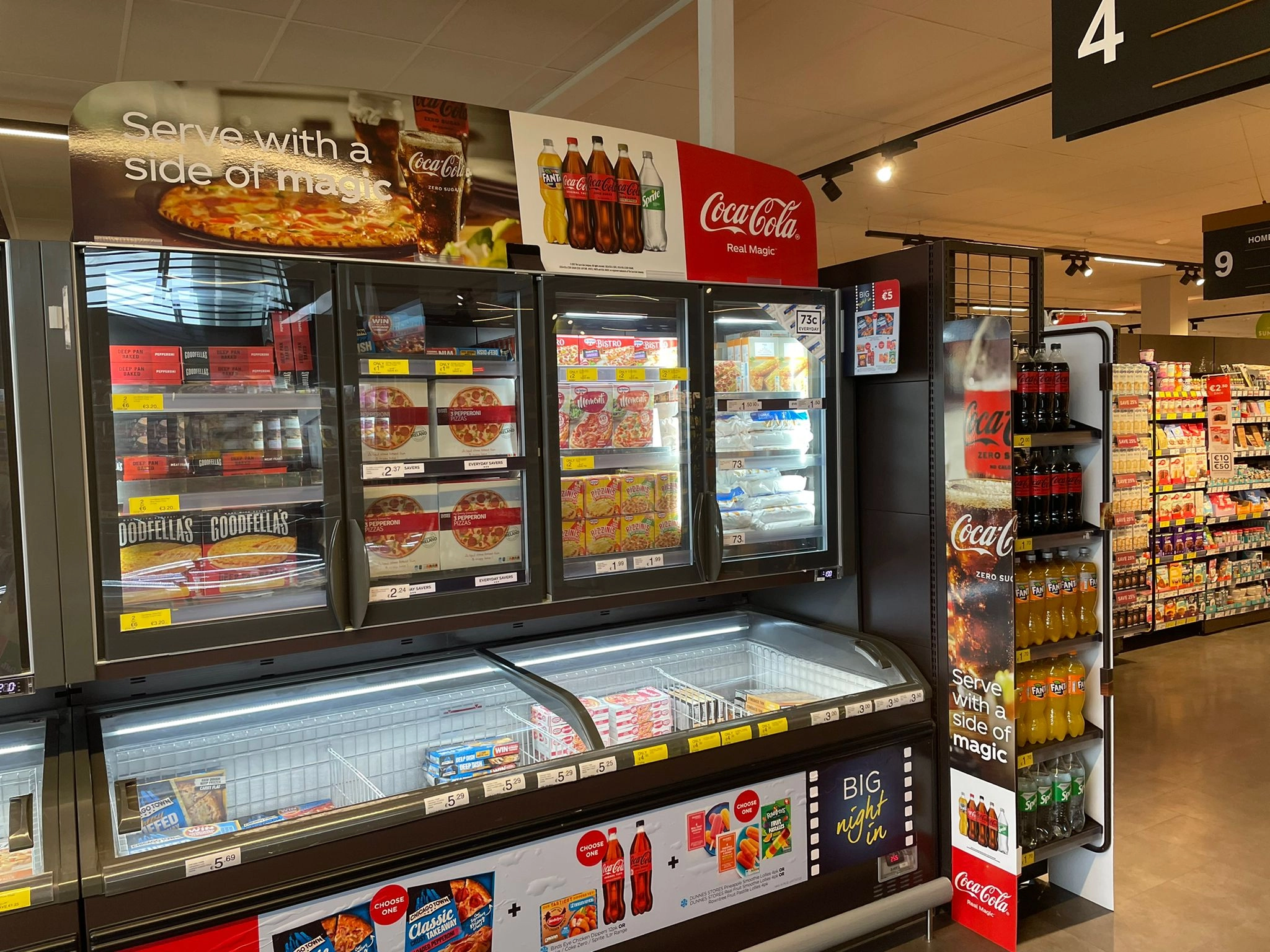
Different products and retail environments suit different FSDU configurations:Print on demand services aren’t about doing less printing. They’re about doing printing better.
When materials are current, relevant and delivered on time, customers notice. When waste decreases and agility increases, businesses feel it immediately.
This isn’t a trend – it’s a structural shift.
6 FAQs: Point-of-Sale Print
Printing materials only when required, rather than holding stock.
Yes – especially when waste, storage and obsolescence are considered.
Absolutely. Digital print quality now rivals traditional methods.
It significantly reduces waste and unnecessary production.
Yes – centralised asset control improves consistency.
It’s often most effective for large, multi-site organisations.
If your print processes feel wasteful, slow or outdated, McGowans can help you move to print on demand without disruption. Let’s design a smarter print workflow together.