
When packaging becomes the message
Custom packaging for brand storytelling has quietly become one of the most powerful marketing tools available to brands today. Long before a customer tries your product, they’ve already formed an opinion, and more often than not, that judgement is shaped by the box it arrives in.
In an age of unboxing videos, short-run launches and shelf-level competition, packaging is no longer a functional afterthought. It is brand communication in three dimensions. This article explores how custom packaging elevates brand storytelling, why it matters commercially, and how businesses can use packaging to stand out without over-engineering or overspending.
We’ll also look at practical design considerations, sustainability realities, and where brands often get it wrong (hint: it’s not the colour palette).
Packaging is your first
physical handshake
Digital touchpoints may dominate awareness, but packaging delivers the first tangible interaction. As branding expert Marty Neumeier famously put it, “A brand is a person’s gut feeling about a product or service” and packaging is often what triggers that feeling.
Custom packaging for brand storytelling works because it:
Signals quality before use Creates emotional anticipation Reinforces brand consistency Builds perceived value instantly In retail environments, packaging also acts as a silent salesperson. According to Nielsen, 64% of consumers try a new product because the packaging caught their eye. That’s not design vanity - that’s conversion.
Why “just a box” thinking is costing brands sales
Here’s the uncomfortable truth: generic packaging blends in. And blending in is expensive.
When packaging design is treated as an operational decision rather than a brand asset, businesses lose:
- Shelf differentiation - Memorability - Social share-ability - Repeat purchase signals
Custom packaging doesn’t need to shout. Often, the smartest executions use restraint – considered materials, subtle finishes, and clear brand cues that feel intentional rather than decorative.
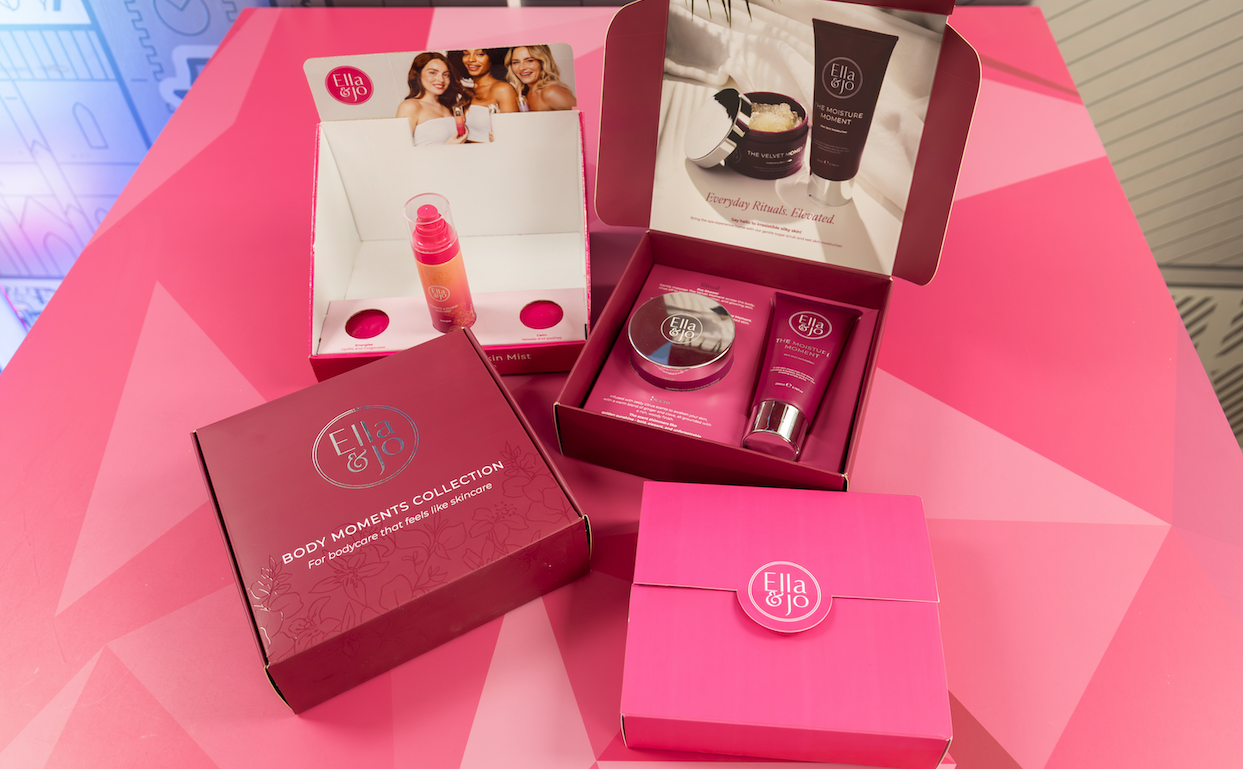
At McGowans, short-run folding cartons and digitally finished packaging allow brands to test, refine and scale without committing to excessive volumes, a key advantage in fast-moving retail environments.
The storytelling elements
that actually matter
Not every brand needs foil, embossing and five Pantones. Effective custom packaging for brand storytelling relies on clarity rather than complexity.
1. Structure tells a story before graphics do. A rigid box communicates permanence. A lightweight carton suggests accessibility. Structure sets expectations before colour enters the room.
2. Texture creates subconscious trust Matt finishes, soft-touch laminates and uncoated boards all trigger emotional responses. Harvard Business School research shows tactile cues influence perceived product quality³.
3. Messaging hierarchy beats clever copy If everything is important, nothing is. Clear information flow builds confidence and reduces friction at point of sale.
If customers need to rotate the box three times to understand what you sell, the story has failed.
Short-run packaging:
storytelling without commitment issues
One of the biggest myths in packaging is that brand-led design requires massive print runs. It doesn’t. Short-run digital packaging enables: - Seasonal campaigns - Limited editions - Market testing - Personalised variations - Faster turnaround times As Seth Godin notes, “Don’t find customers for your products – find products for your customers”. Short-run packaging allows brands to listen, adapt and respond without waste.
This is particularly valuable for: - FMCG challengers - DTC brands - Promotional packaging - Regional campaigns
Sustainability: storytelling must match reality
Consumers are quick to spot contradiction. Sustainable messaging printed on excessive packaging undermines trust instantly.
Custom packaging for brand storytelling should align with: - Material choices - Board thickness - Ink and finishing decisions - Supply chain transparency According to Deloitte, 94% of consumers are more loyal to brands that demonstrate environmental responsibility. Sustainability isn’t a trend – it’s brand hygiene.
Common packaging mistakes brands keep repeating
Let’s save you time and budget: - Over-designing for approval rather than customers - Ignoring logistics and shelf impact - Treating packaging as a one-off rather than a system - Forgetting unboxing and reuse moments - Designing without print finishing input Good packaging design happens when creatives and printers collaborate early. The best ideas are often unlocked by production realities, not constrained by them.
If you’re ready to create packaging that does more than protect products, talk to us.
Our team helps brands design, test and produce custom packaging that performs – visually, commercially and sustainably.
6 FAQs: Point-of-Sale Print
It’s packaging designed to communicate brand values, positioning and emotion, not just product information.
Yes. Studies show packaging strongly influences purchase decisions at shelf and online.
For many brands, yes – especially for launches, testing and seasonal campaigns.
Very, when material choices and production methods are considered early.
At concept stage. Early collaboration prevents costly redesigns.
Absolutely. Packaging evolution often strengthens brand consistency.
What’s the one thing your packaging currently says about your brand - intentionally or not?